Hirabai Cowasji Jehangir Medical Research Institute
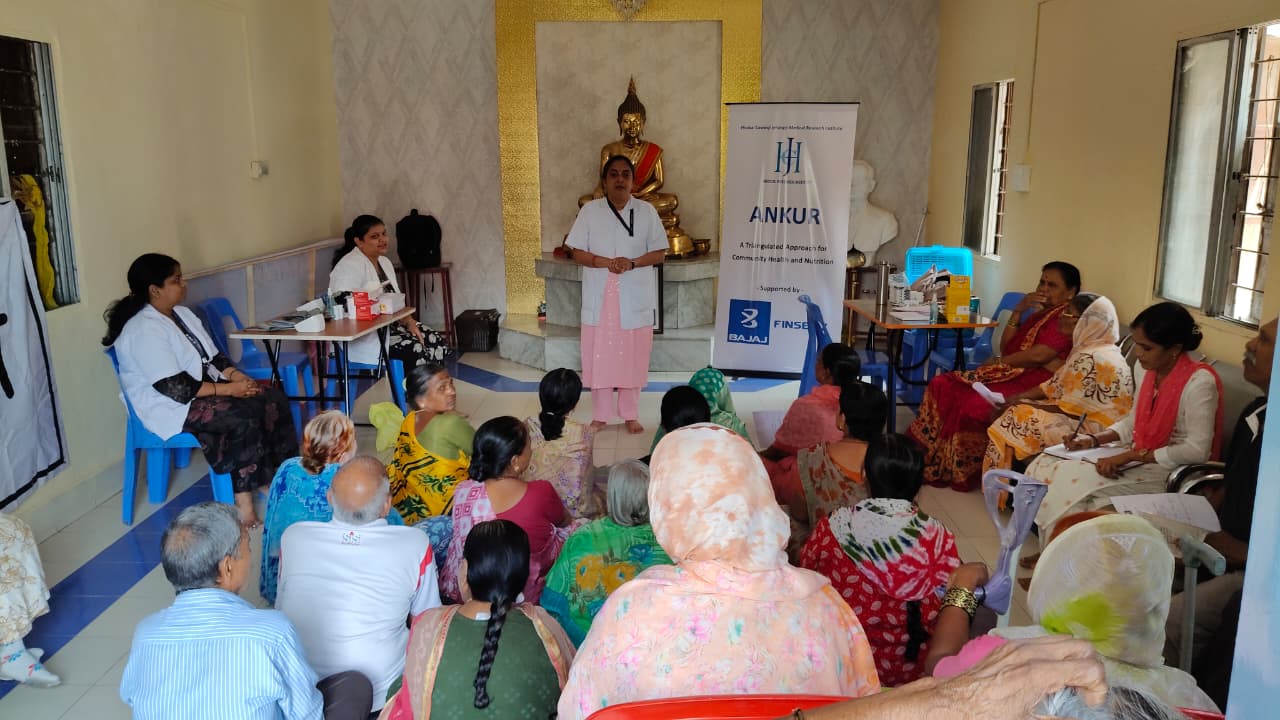
On 25 May 2026, a community awareness session was conducted at Vishrantwadi, Bhim Nagar, focusing on nutrition, anemia prevention, and healthy lifestyle practices. The session was guided by Dr. Megha Shelar.
During the session, detailed awareness was created about the harmful effects of tobacco and mishri consumption, particularly their role in contributing to anemia and overall health deterioration. The importance of maintaining adequate hemoglobin levels through a well-balanced and nutritious diet was clearly explained to the community members.
Participants were educated on including iron-rich and nutrient-dense foods in their daily meals, such as green leafy vegetables, pulses, fruits, lentils, dates, raisins, pomegranate, beetroot, jaggery, groundnuts, and dry fruits with shells, to help improve blood health and overall immunity.
The session also emphasized the importance of regular physical activity, daily walking, and sufficient sleep in maintaining both physical and mental well-being. It was highlighted that walking not only supports physical fitness but also helps reduce stress and improve mental health.
In addition, participants were advised to avoid tobacco, mishri, junk food, biscuits, oily items, and processed foods, as these can negatively impact health and increase the risk of anemia and other lifestyle-related conditions.
The session concluded with participants taking a collective pledge to adopt a healthier lifestyle and balanced diet to improve overall well-being and prevent anemia.
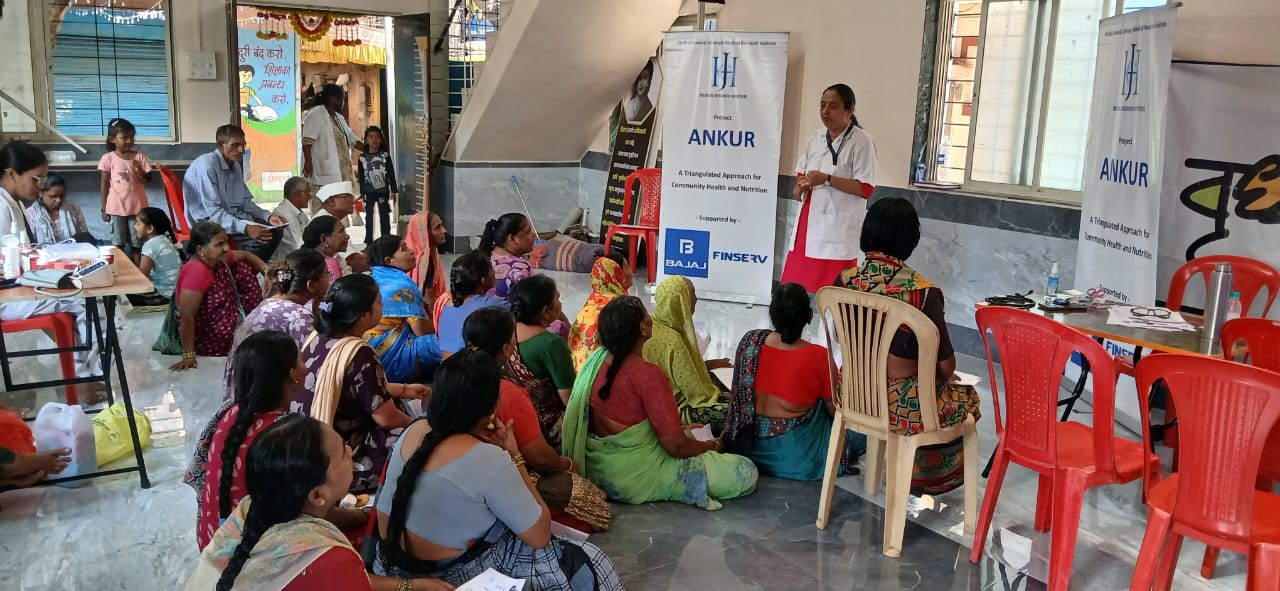
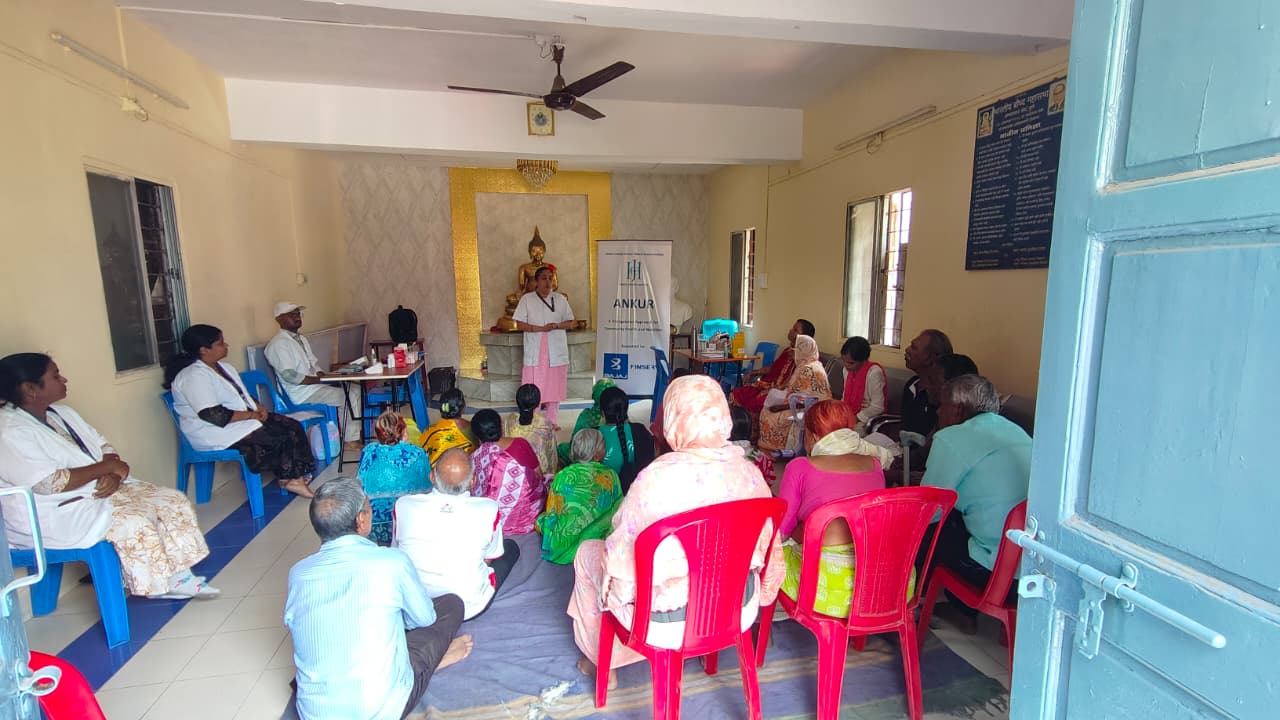
On 20 May 2026, a community awareness session on “Basic Diet & Addiction” was conducted at Subhashnagar, Yerawada, Pune, under the guidance of Dr. Megha Shelar.
The session was designed to promote healthier lifestyle choices by focusing on both nutrition and the risks associated with addiction. Detailed explanations were given on the harmful effects of tobacco consumption, particularly mishri, and its long-term impact on oral and overall health.
Participants were also guided on the fundamentals of balanced nutrition, proper diet planning, and the importance of maintaining consistent and healthy eating habits. Key concepts such as the Glycemic Index and its relevance in managing blood sugar levels were introduced to help individuals make informed dietary choices.
In addition to physical health, the session emphasized the significance of positive thinking, a structured daily routine, and the adoption of healthy habits to support overall physical and mental well-being.
The session was highly interactive, with participants actively engaging in discussions and seeking clarification on diet, addiction, and lifestyle management, making it a meaningful and impactful community initiative.
.jpeg)
.jpeg)
From awareness to action — one of the most meaningful aspects of public health is creating opportunities for communities to transform knowledge into practice.
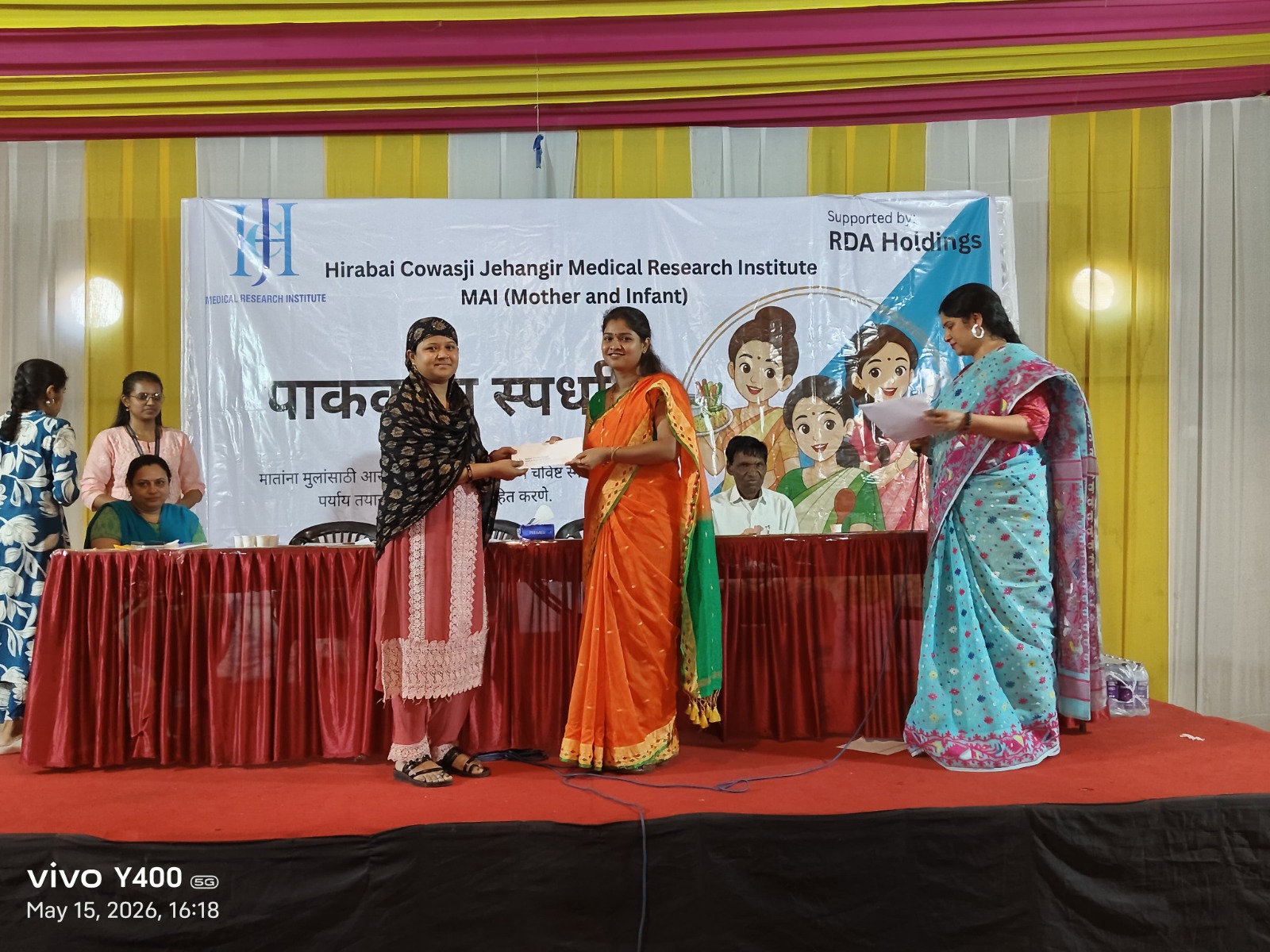
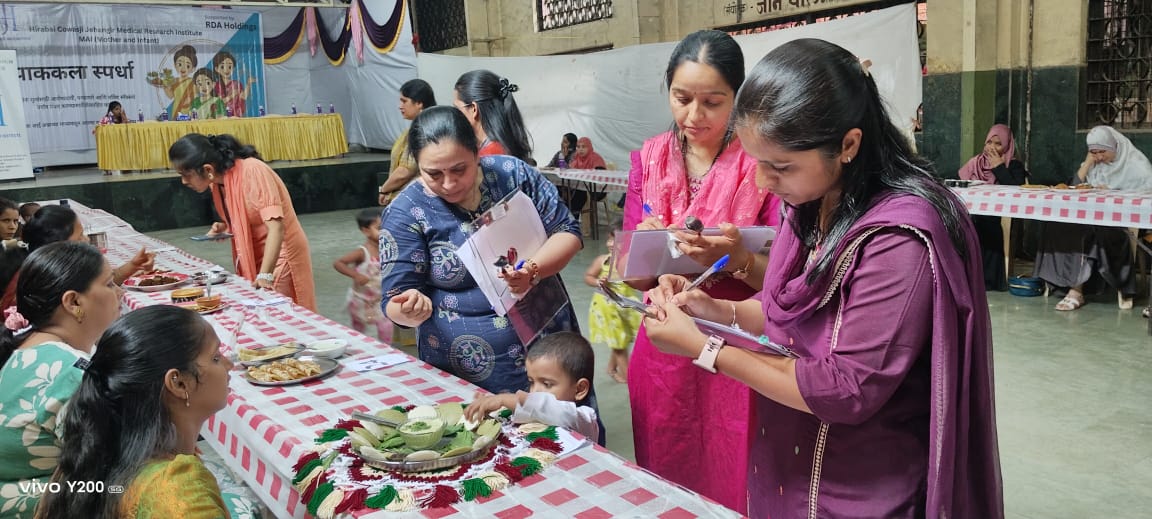
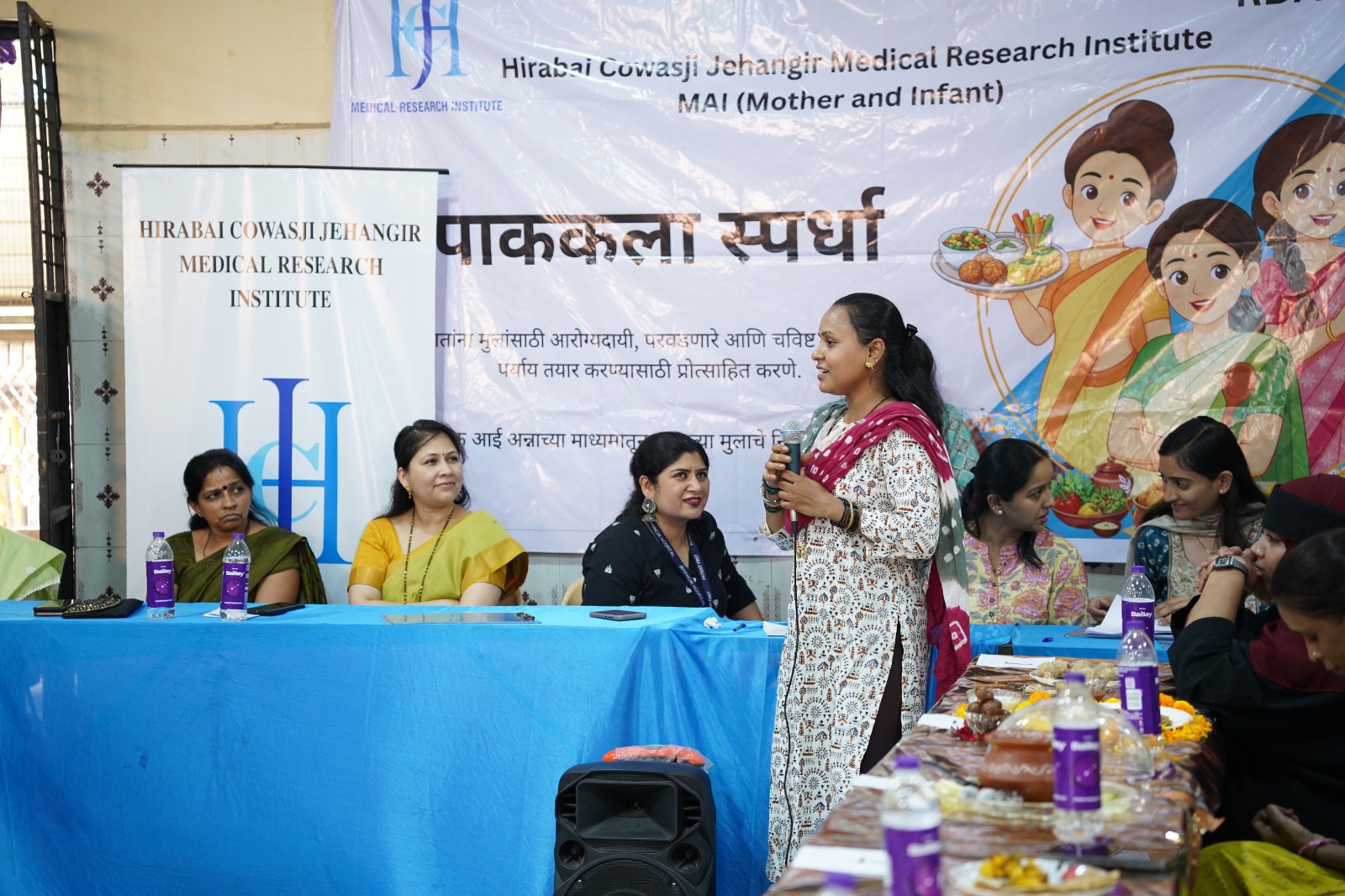
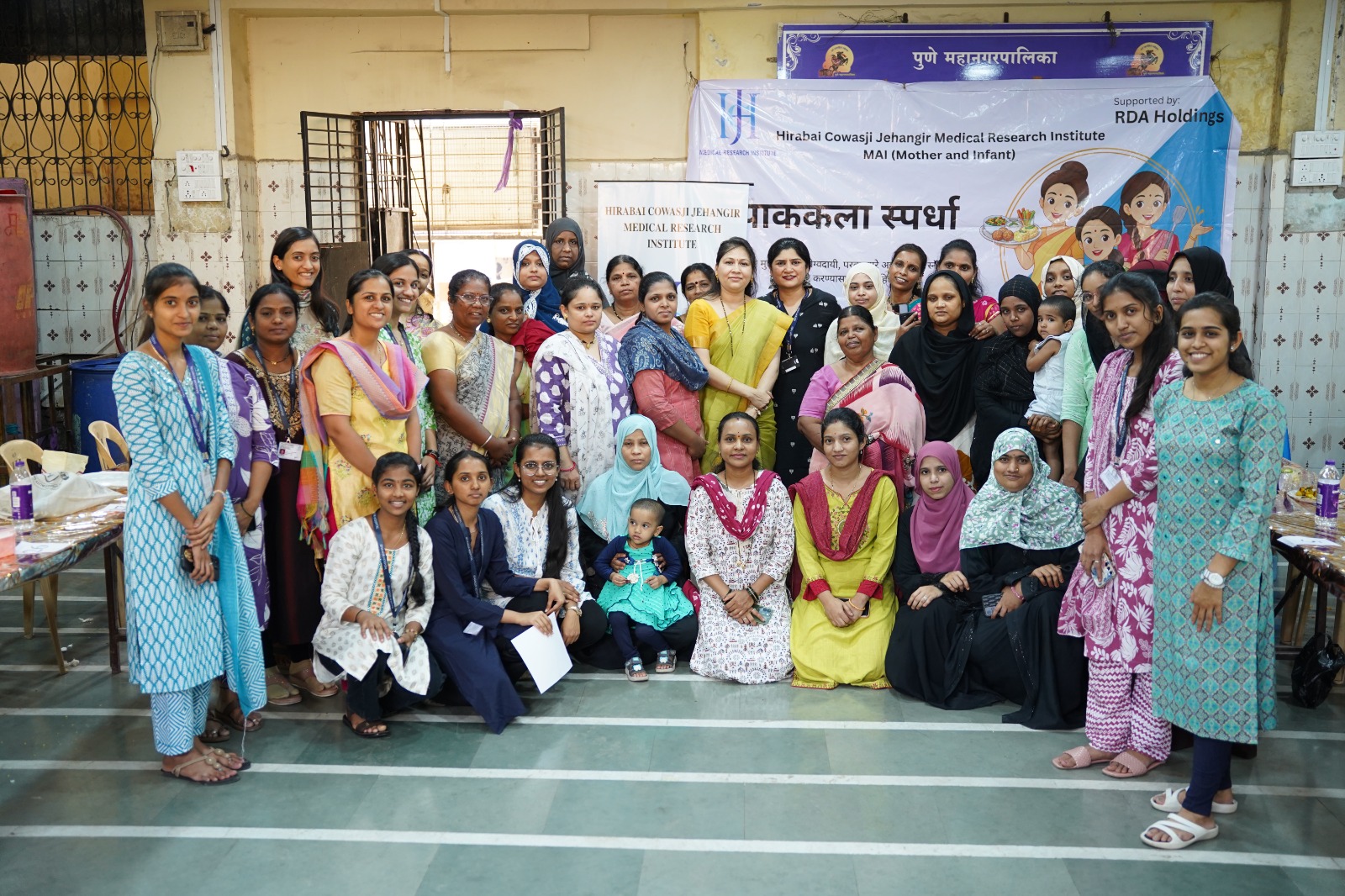
Between 12th–19th May 2026, the Mother and Infant (MAI) team at HCJMRI successfully organized three community-based cooking competitions across Lakshmi Nagar, Bhim Nagar, and Kashewadi in Pune, with participation from approximately 20–30 mothers at each location.
These competitions were conducted as a practical extension of the Food Environment Awareness Sessions previously organized by the MAI team. During these sessions, mothers were introduced to the concept of food environments, the health risks associated with ultra-processed foods (UPFs), and healthier dietary alternatives for young children. The cooking competitions aimed to move beyond awareness and provide mothers with an opportunity to actively apply this knowledge in their everyday cooking practices.
The challenge encouraged participants to prepare healthy, affordable, and nutritious snacks for children under five years of age using simple, locally available ingredients and recipes that could realistically be prepared at home.
The response from the community was truly inspiring.
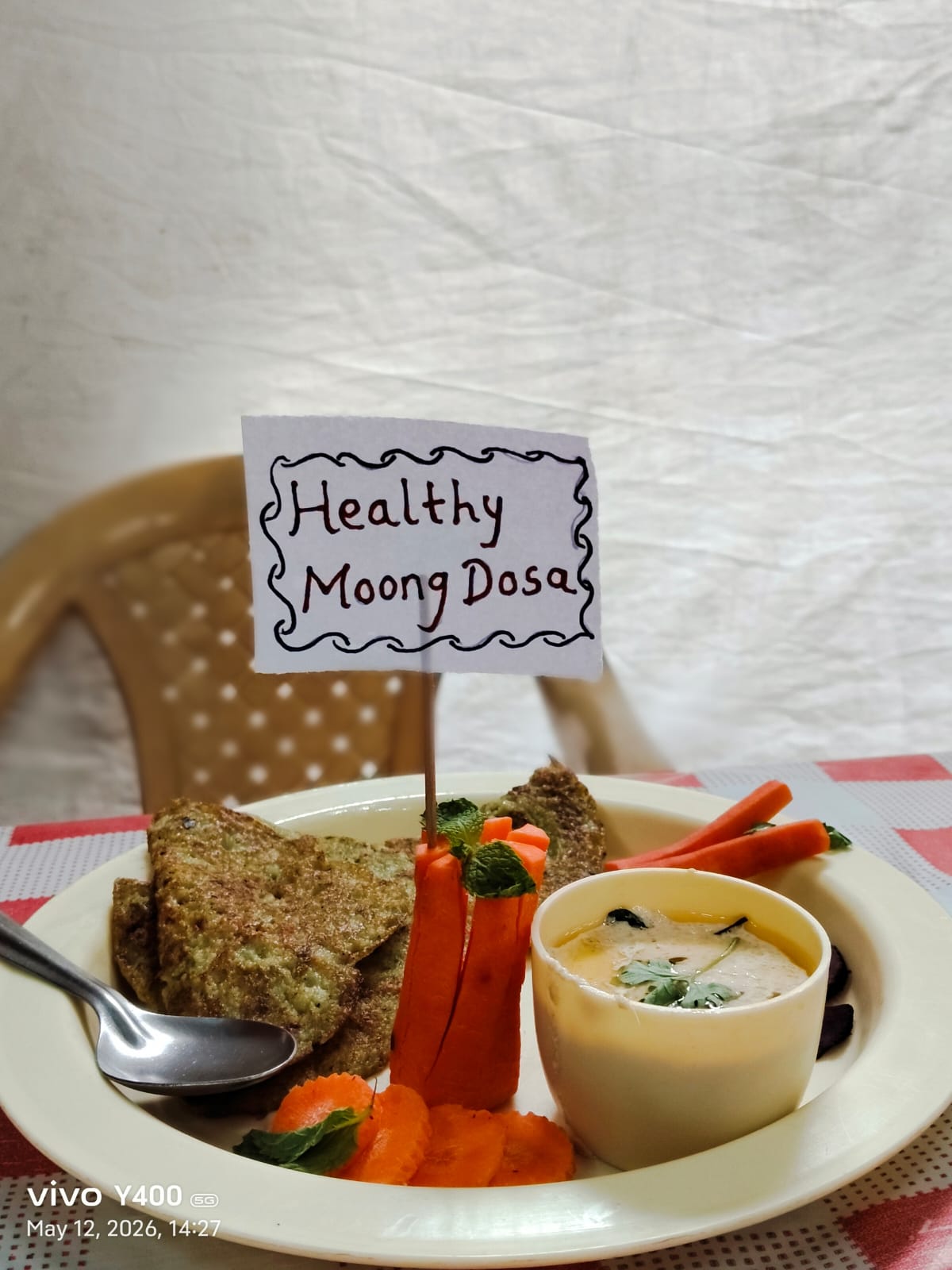
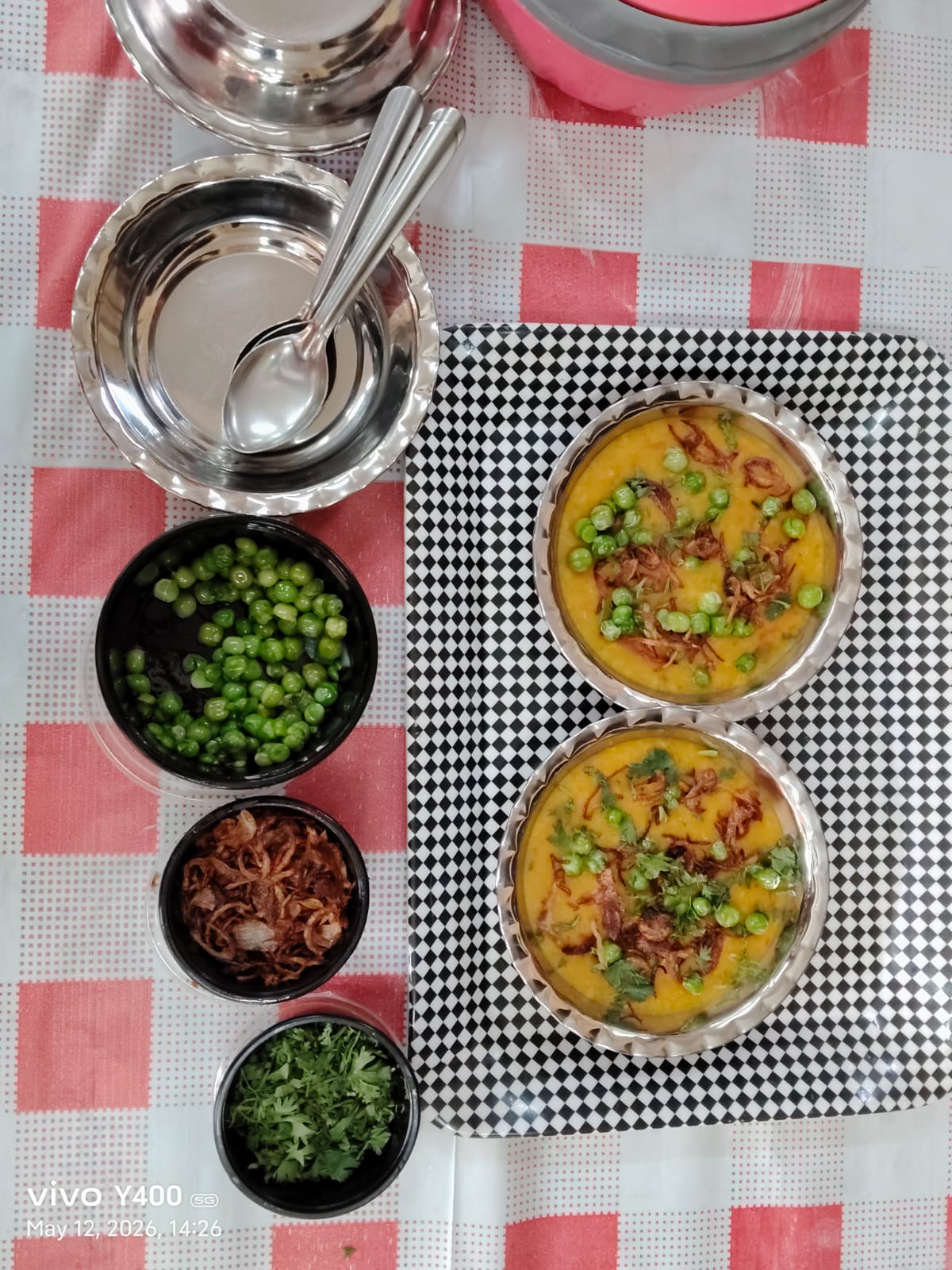
Mothers enthusiastically participated by preparing a wide variety of innovative, creative, and nourishing dishes, demonstrating that healthy snacking for children can be both practical and achievable. Their efforts reflected not only creativity and dedication, but also a strong understanding of child nutrition and healthy food choices.
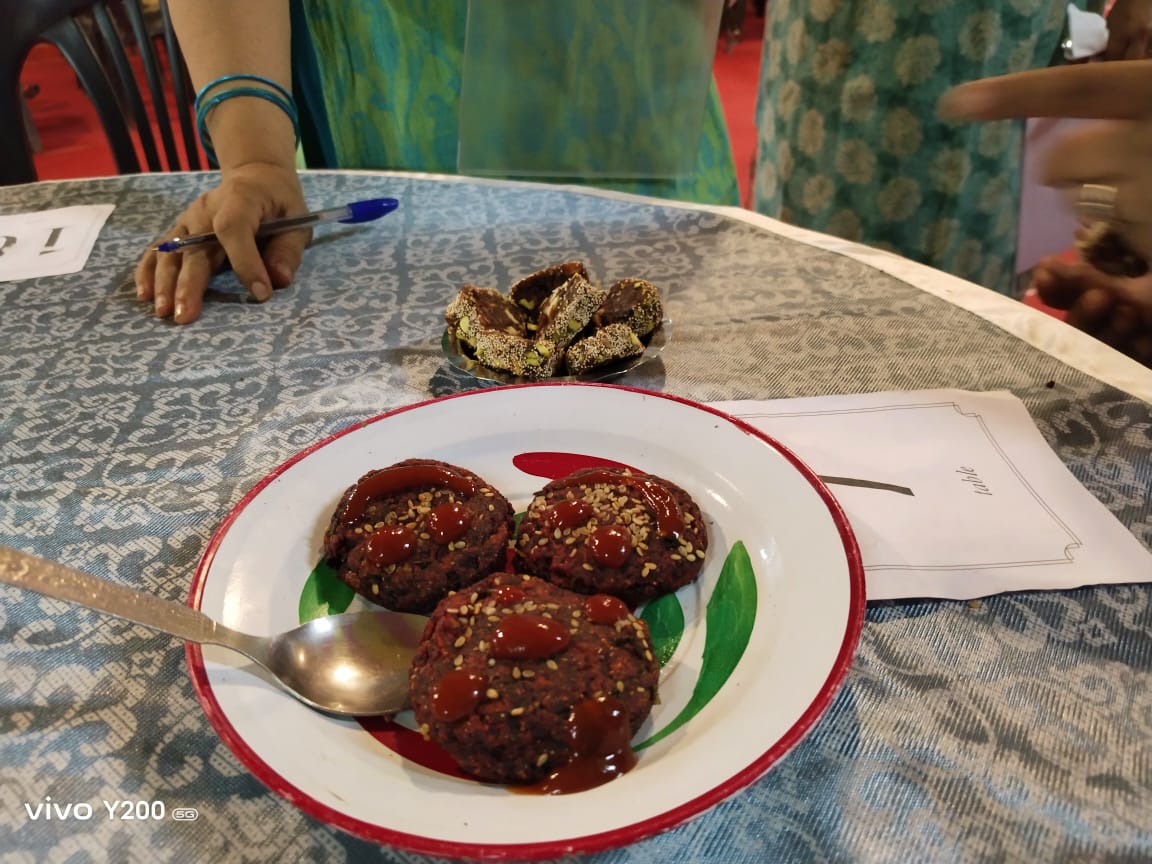
Some of the winning dishes included:
Lakshmi Nagar – Multi-grain Dalia
Bhim Nagar – Beetroot & Carrot Cutlet Stuffed with Paneer
Kashewadi – Beetroot and Channa Tikki with Spinach Wrap
These competitions served as a powerful reminder that communities already possess immense knowledge and potential. Often, the key lies in creating platforms that encourage mothers to apply, share, and celebrate that knowledge. Empowering mothers in this way can play a significant role in building healthier food environments for children.
We extend our heartfelt gratitude to our judges — Anagha Deshmukh, Neha Kajale, Sonali Wagle, Sayali Patwardhan, Mugdha Deshpande, and Vaishali Tamane — for their valuable time, thoughtful evaluation, and encouragement throughout the events.
Special thanks to our dedicated team members — Rubina Mandlik, Pranjali Chandawad, Kshitija Gurav, Vandana Kamble, Isha Shah, Saloni Nevgi, Sneha Gharad, Renuka Kattimani, Manisha Swami, and Pradip Sonawane — whose efforts and commitment made this initiative successful.
We are also thankful to the local guests and community members from each area who joined and contributed to making these events meaningful and impactful.
We sincerely acknowledge and appreciate the support of Aga & Pudumjee Family Philanthropy for sponsoring this project and enabling us to translate field-based research into meaningful community action.
Small, community-driven initiatives can create lasting impact when knowledge is transformed into action and when mothers are empowered to lead the change.
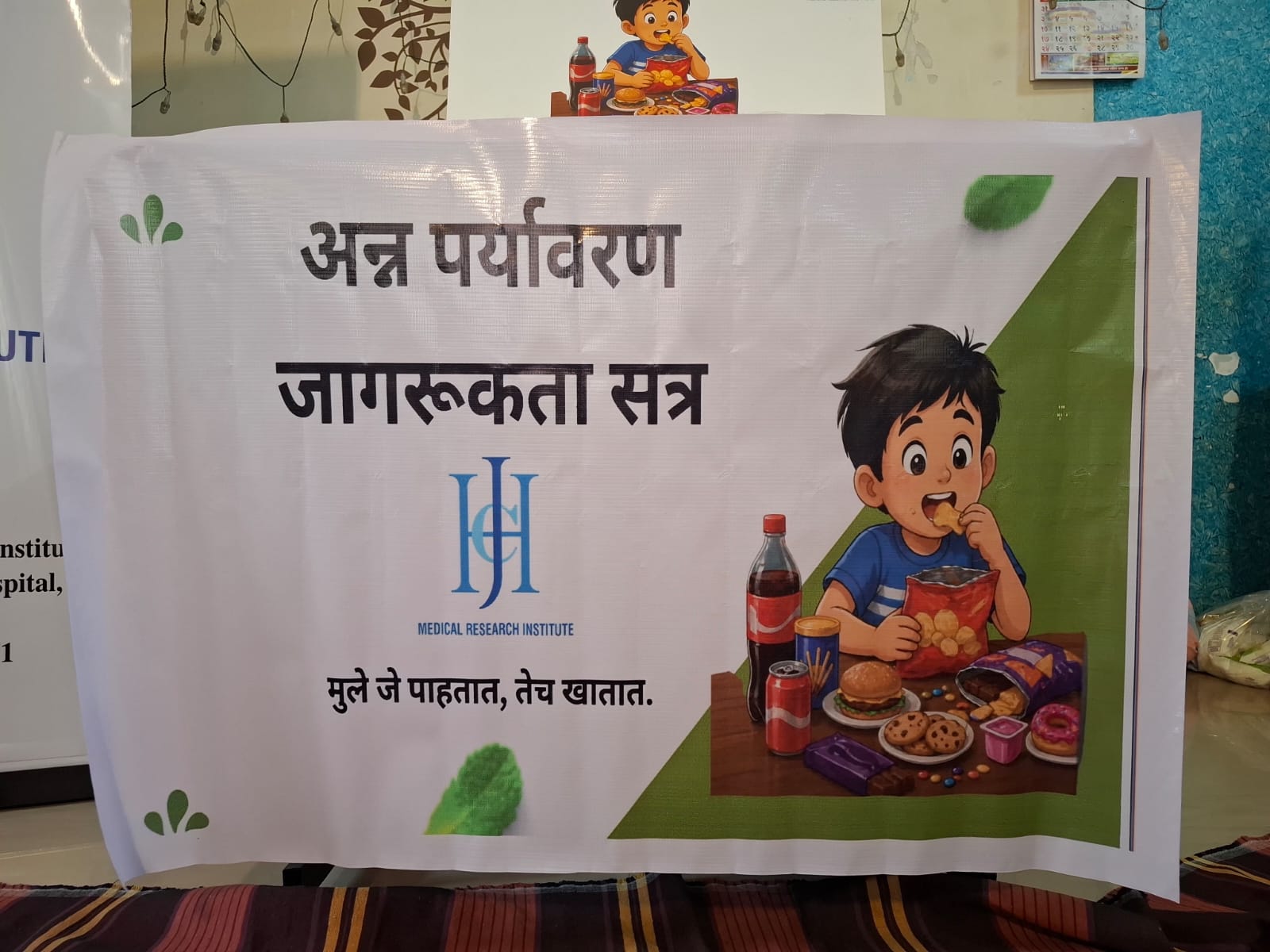
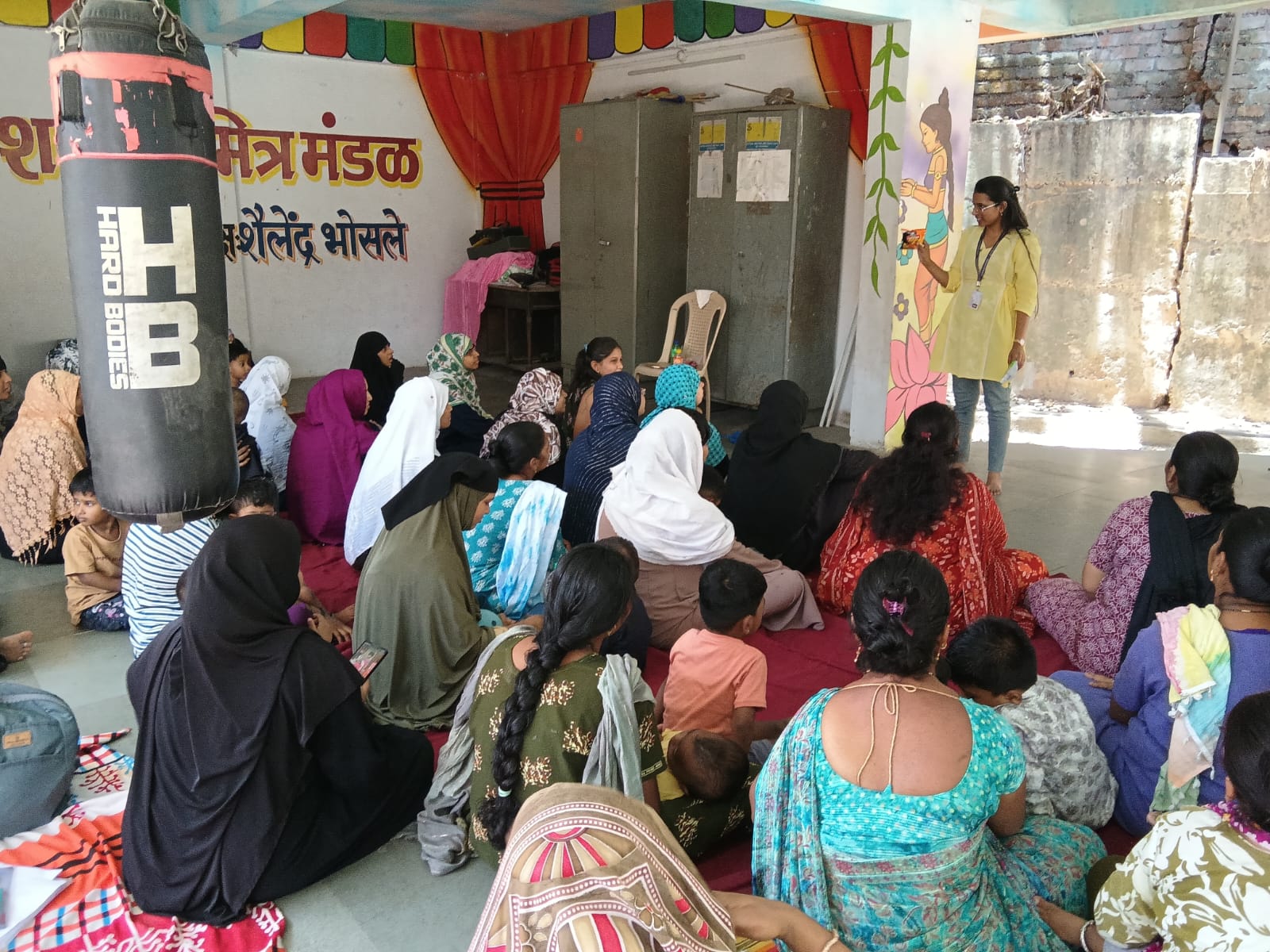
From 4th–6th May 2026, we conducted our first Food Environment Awareness Sessions across urban slum communities in Pune. This initiative was directly informed by findings from our field surveys, which revealed that many children under the age of two were already consuming ultra-processed foods (UPFs) as a regular part of their daily diets.
In response, we focused our efforts on engaging mothers—the primary decision-makers in young children’s nutrition—to shift the conversation beyond how much children eat and toward understanding what they are eating.
Through interactive and research-informed sessions, mothers were introduced to:
One of the most impactful aspects of the sessions was a visual demonstration that made the invisible visible. Commonly consumed snacks and beverages were displayed alongside the actual amounts of sugar and salt they contain. This simple yet powerful activity sparked meaningful discussions and helped translate scientific evidence into practical everyday understanding.
The response from participating mothers was extremely encouraging. Mothers actively engaged in discussions, asked thoughtful questions, and openly shared reflections on their children’s eating habits. For many participants, this was the first time they had received structured, evidence-based guidance focused on food quality rather than only food quantity.
What stood out most was the willingness to reconsider and change existing food practices. Many mothers expressed surprise upon learning about products often perceived as safe or healthy for children, and several shared their commitment to making healthier food choices at home.
Although this is just the beginning, the sessions reaffirmed an important lesson: when communities are provided with accessible, respectful, and practical knowledge, they are empowered to make informed decisions that positively influence their children’s health and nutrition.
.jpeg)
.jpeg)
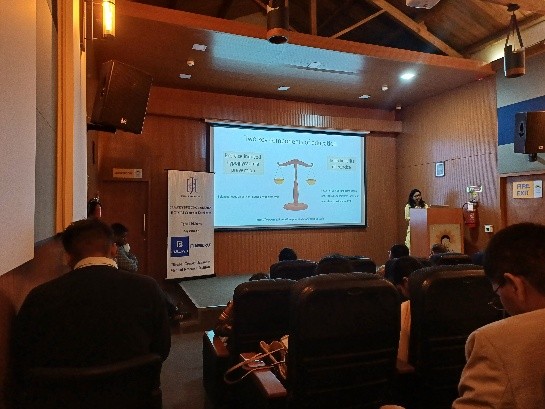
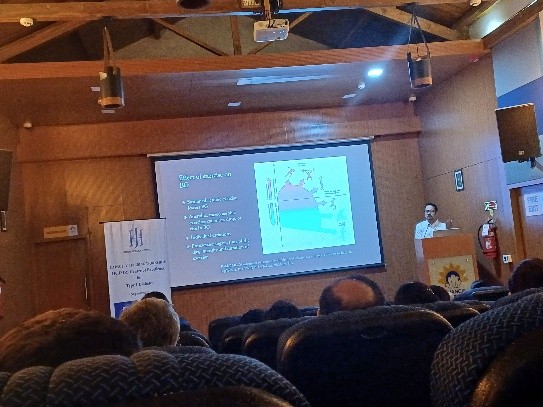
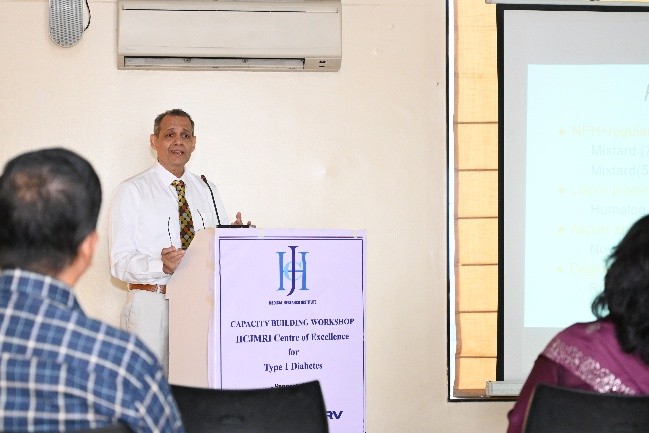
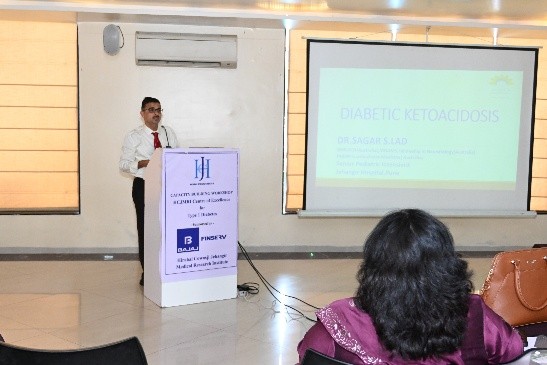
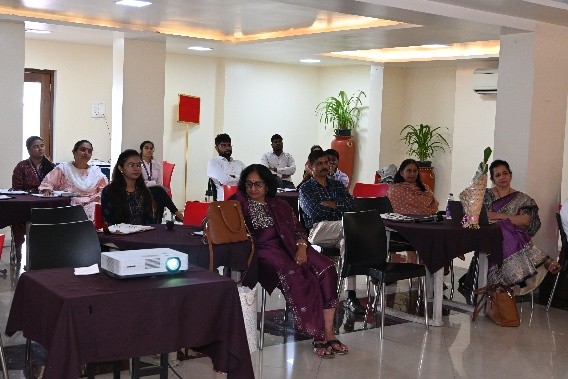
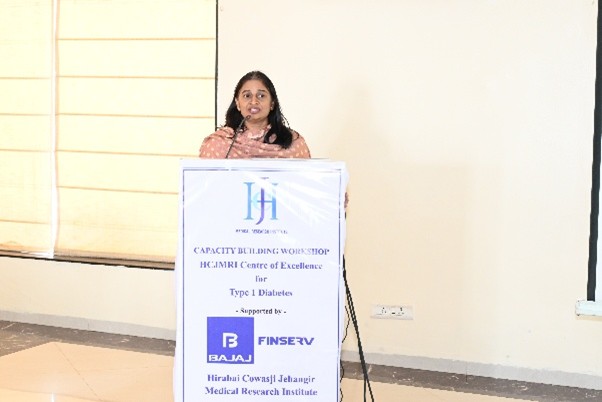
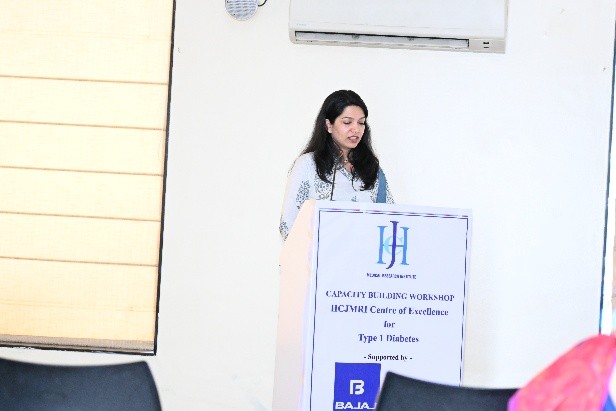
12th and 13th April 2025
.jpeg)
.jpeg)
.jpeg)
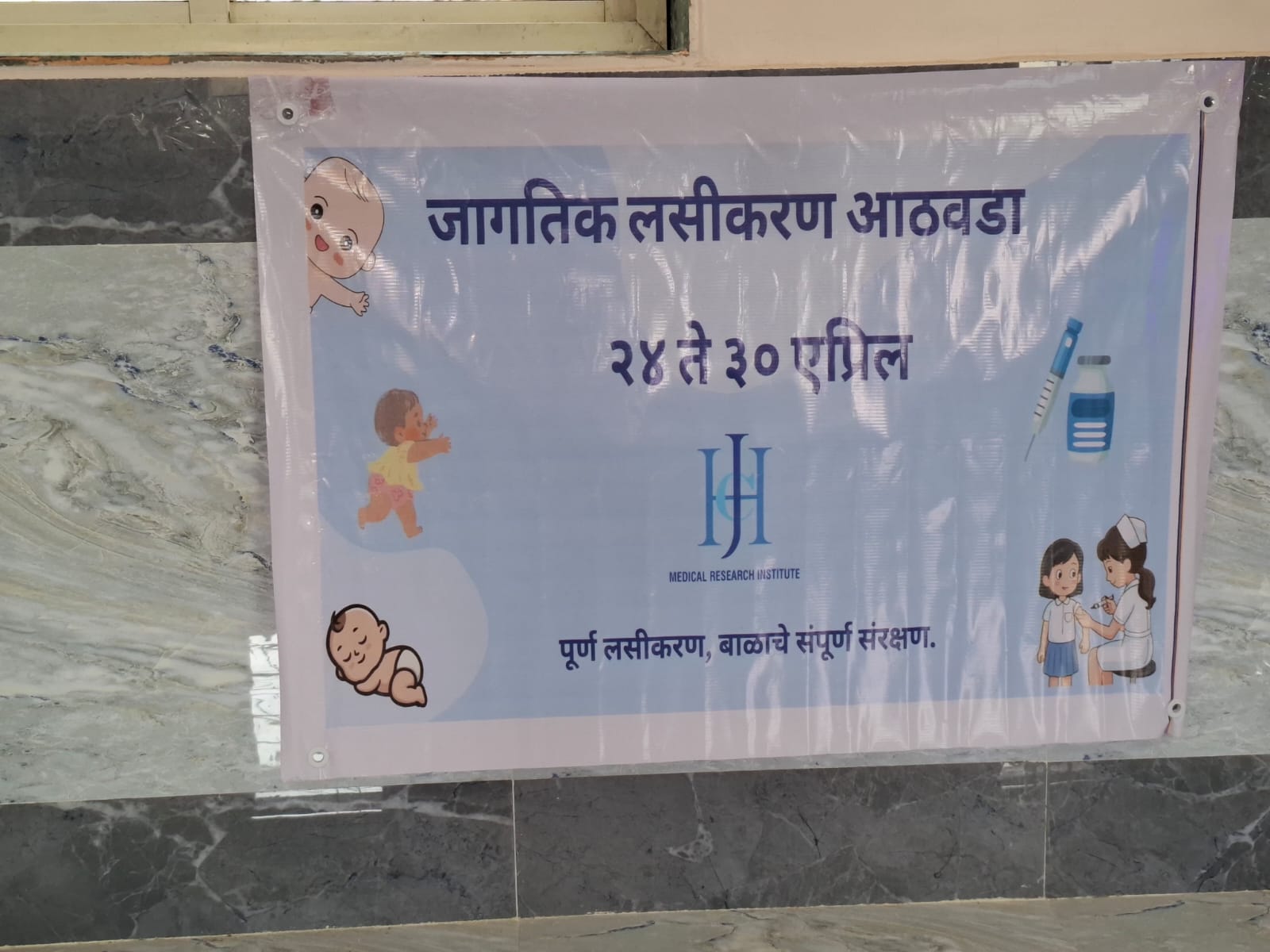
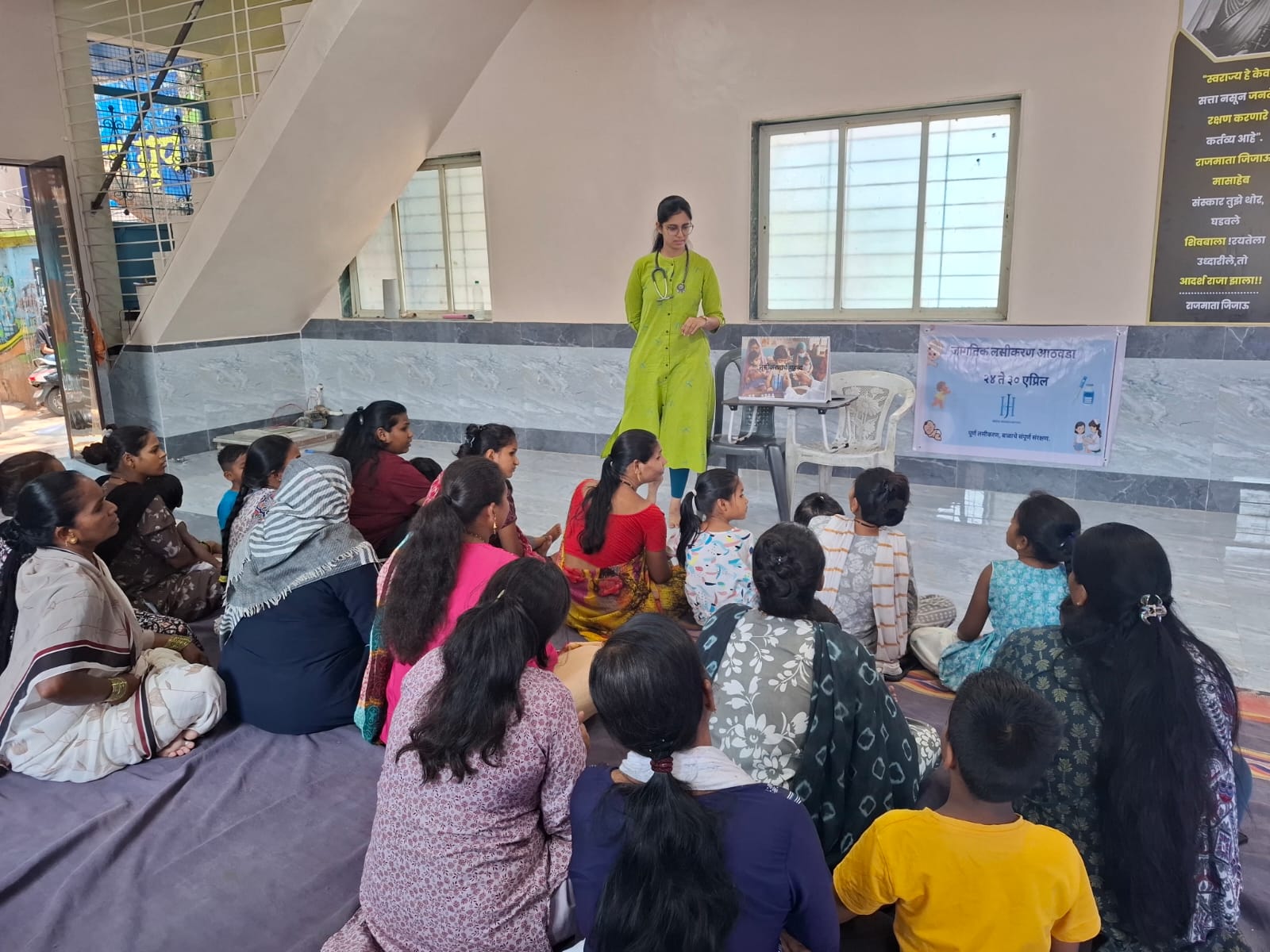
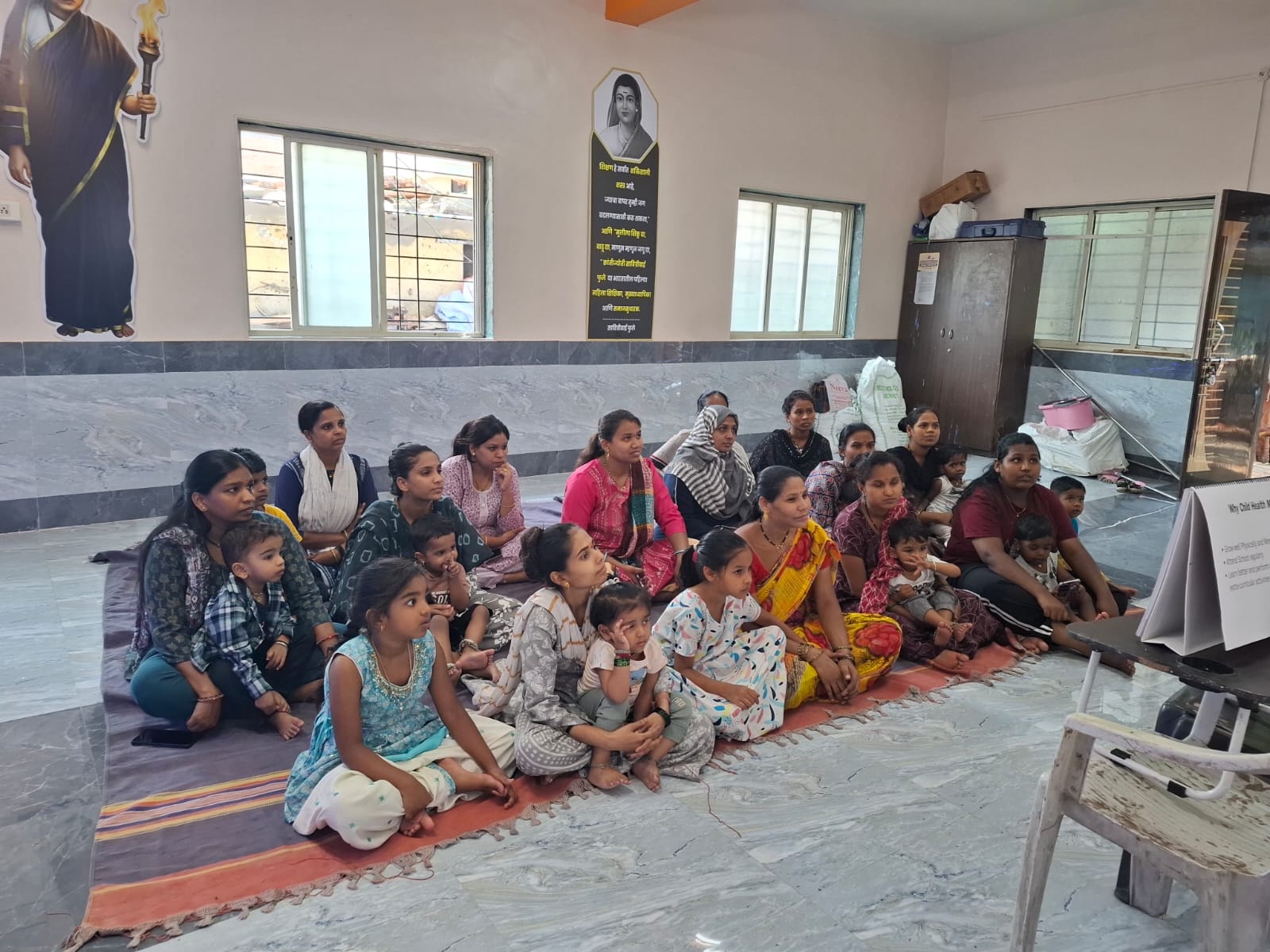
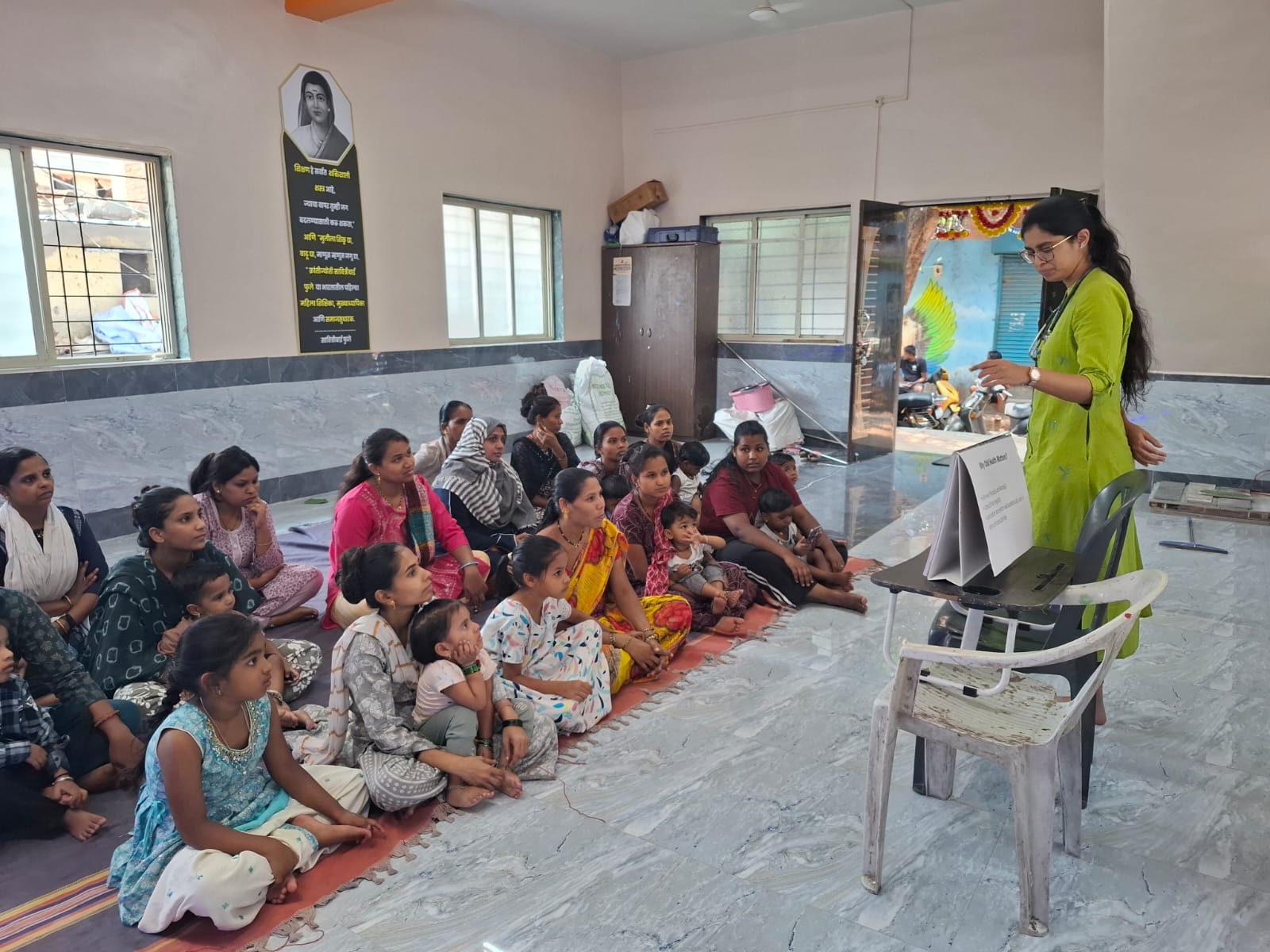
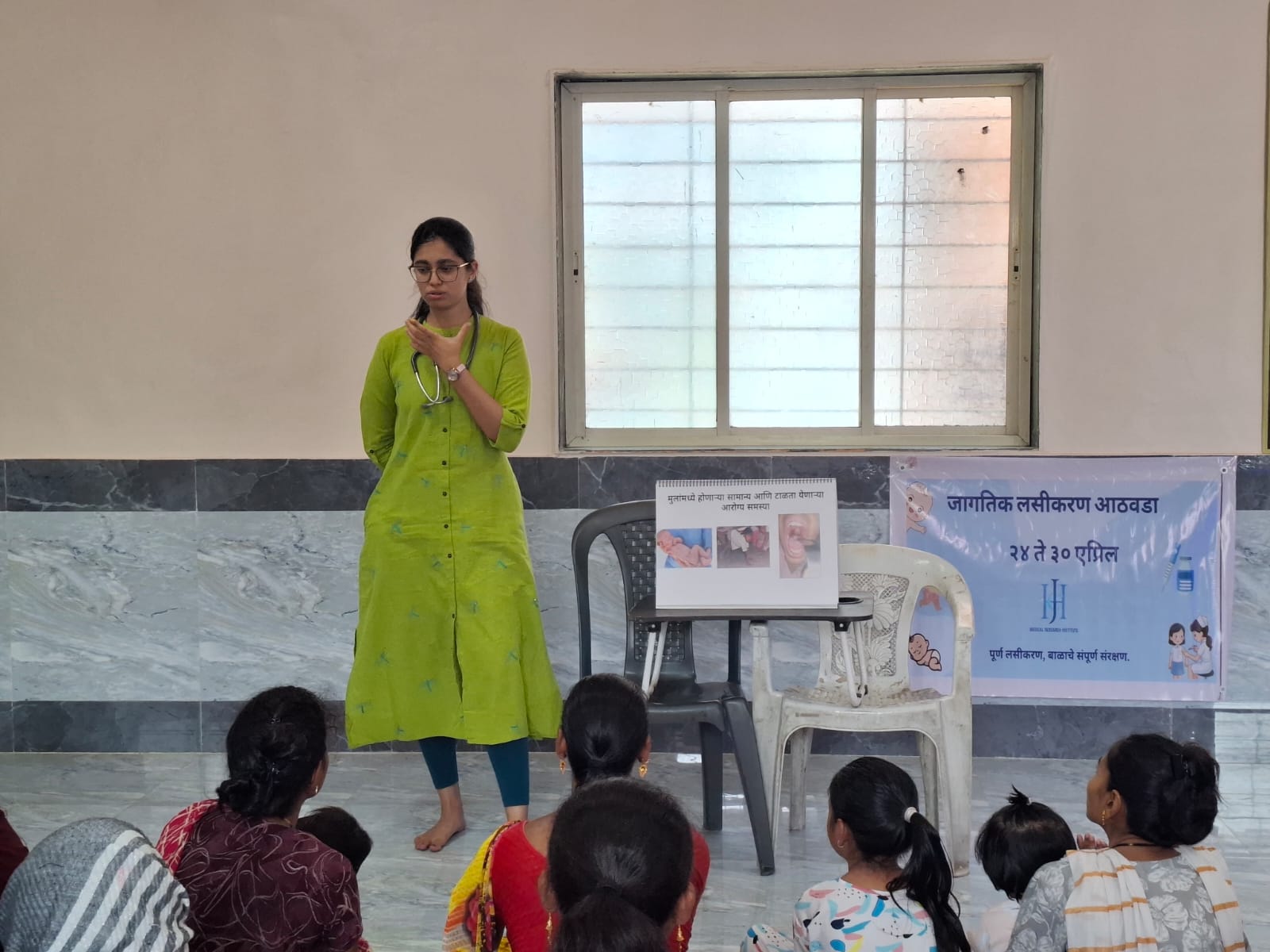
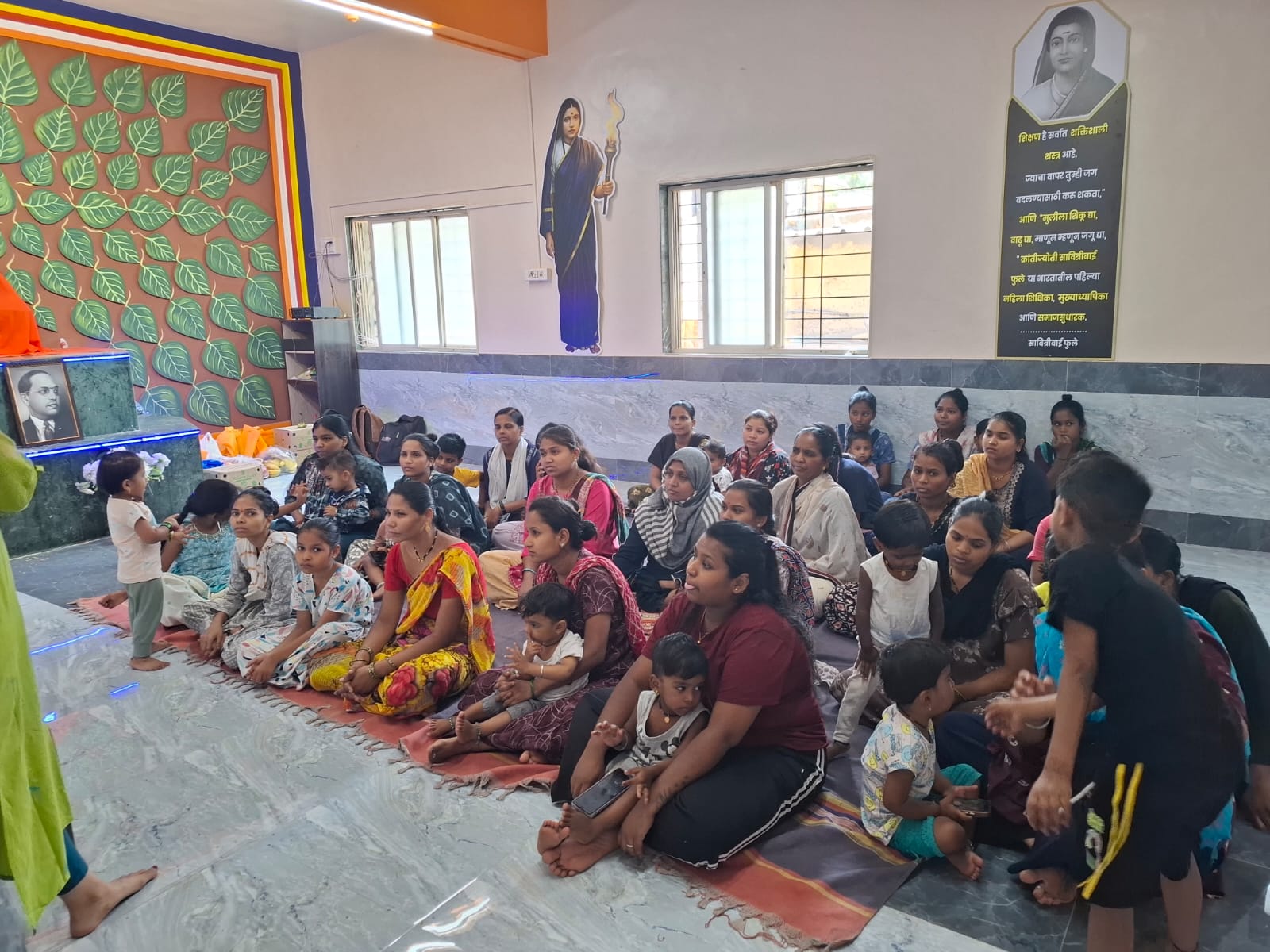
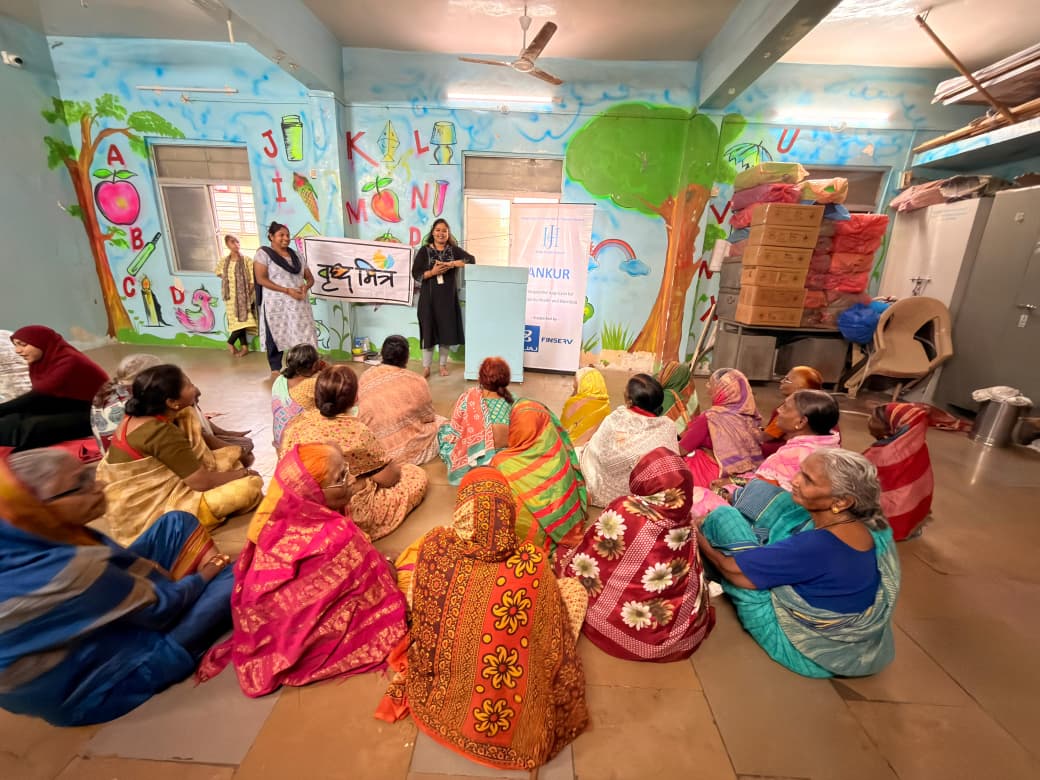
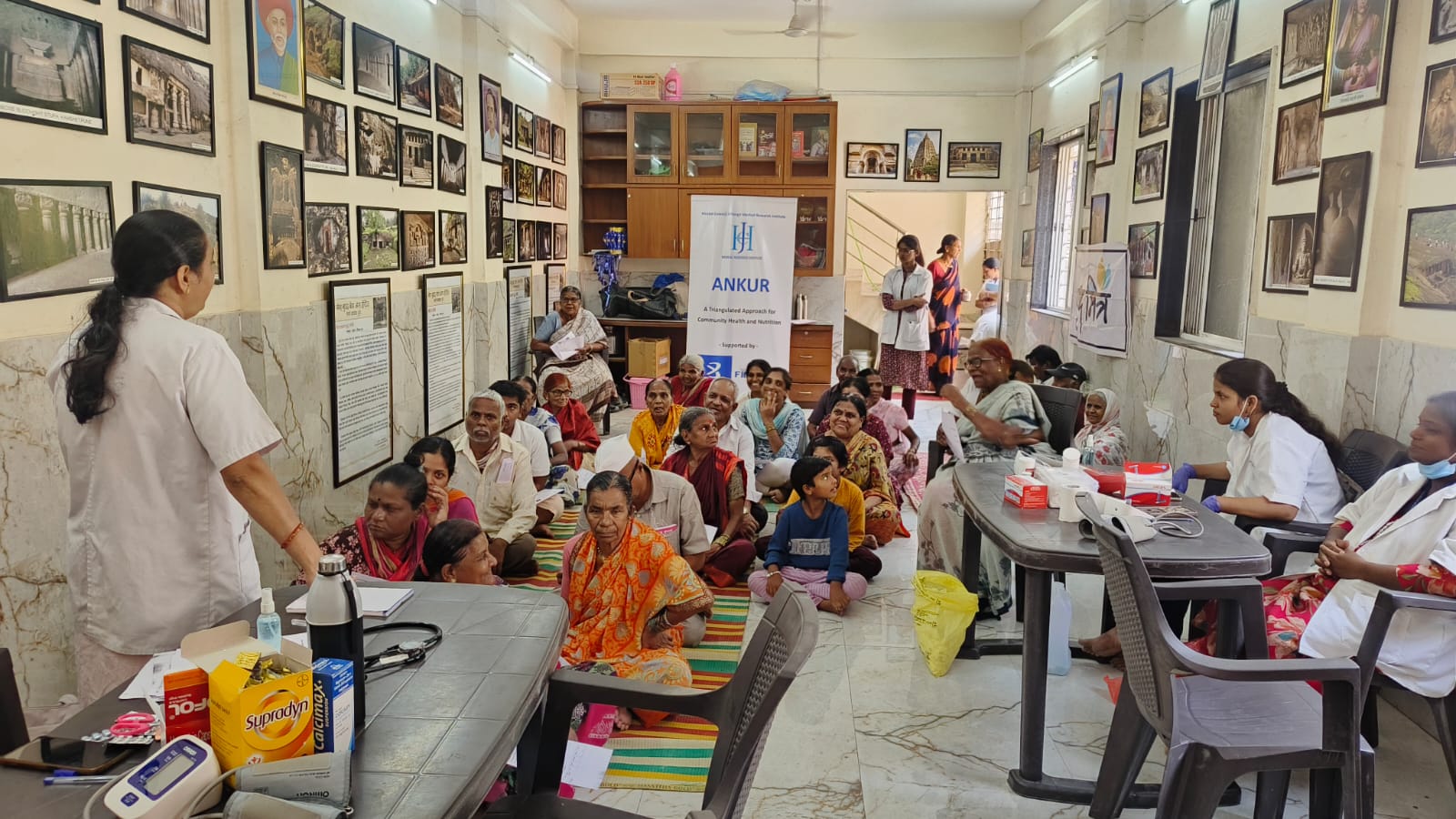
A comprehensive health awareness session was conducted in the community by Dr. Megha for individuals across all age groups. The session focused on promoting overall health and well-being through awareness, preventive care, and healthy lifestyle practices.
During the session, detailed information was shared on the importance of personal hygiene and preventive healthcare measures for common non-communicable diseases (NCDs) such as high blood pressure (BP), diabetes, thyroid disorders, and other lifestyle-related health conditions. Community members were educated about the early signs and symptoms of these conditions, the importance of regular health check-ups, medication adherence, and timely medical consultation to prevent complications.
The discussion also emphasized the role of a balanced and nutritious diet, regular physical activity, proper sleep, stress management, and maintaining a healthy daily routine in improving overall health outcomes. Practical guidance was provided on adopting sustainable lifestyle habits that can help individuals lead healthier and more active lives.
The session aimed to strengthen health awareness within the community and motivate participants to take proactive steps toward preventive healthcare and long-term well-being. Participants actively engaged in the discussion, asked questions, and showed keen interest throughout the session, making it an informative and impactful community health initiative.
.jpeg)